
The Community Turns On Schillinger
The CallerThis flow traces how incomplete evidence, public grief, and prior hoaxes turn Schillinger’s kennel escape into a community-wide dispute about blame.
increasing Bearing strength in each event
 decreasing
Bearing strength in each eventdecreasingA Man Known For Dogs
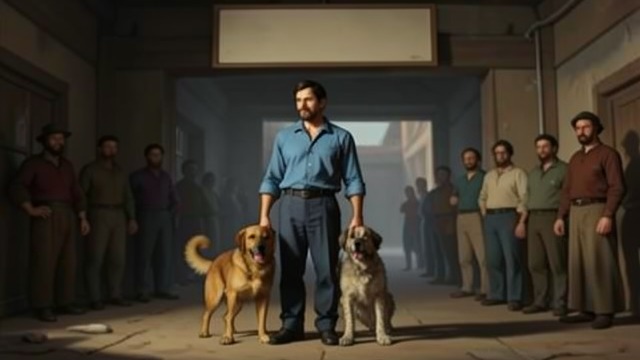
A Man Known For Dogs
A familiar local owner
Schillinger has kept dogs for decades and trains them on local trails. Hannes Bosch knows about his kennel and the animals’ strength.
A reputation under scrutiny
Some neighbors already dislike the noise and worry about the dogs. Others regard Schillinger as careful and considerate, creating opposing expectations before the fatal event.
The divided reputation matters because later accounts are filtered through what residents already believe about him.
A Fatal Discovery

A Fatal Discovery
Police suspect a pack
The condition of Theo’s remains suggests that several dogs attacked him. Schillinger’s seven dogs are known to have been out of their kennel during the relevant period.
Shock precedes judgment
Police inform Schillinger of the death before establishing exactly how the dogs escaped. He denies forgetting the gate and says someone may have sabotaged him.
The event immediately creates a moral and legal crisis. A child is dead, but the mechanism that allowed the dogs to reach him remains uncertain.
The Hoaxer As Explanation
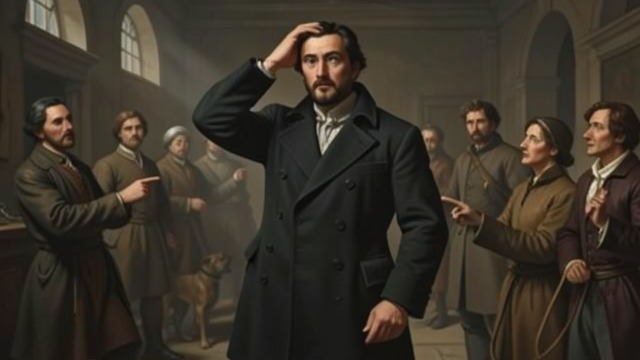
The Hoaxer As Explanation
An existing story shapes blame
Because the community has endured weeks of pranks, Schillinger suggests the same person may have opened his gate. The theory feels plausible to residents already primed to see the unknown prankster behind every disturbance.
A convenient certainty
Some people use the accusation to demand that Johnny turn himself in. Others defend Schillinger’s routine and long experience with dogs.
The perpetrator’s campaign creates an atmosphere in which unrelated events can be attributed to one suspect. That atmosphere may assist investigators, but it can also manufacture certainty where evidence is absent.
Neighbors Divide
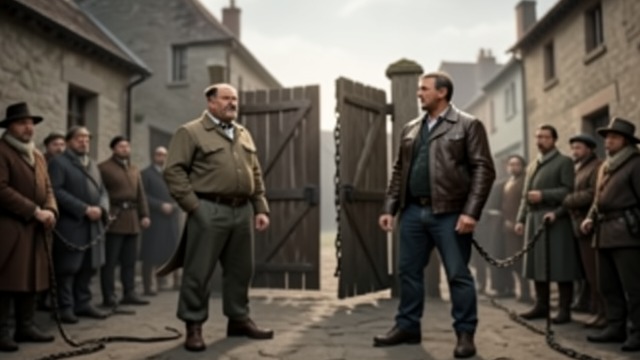
Neighbors Divide
Defenders and critics
Sverre Skarning recalls Schillinger as considerate with his dogs, while Nihmet Skarning describes him as crude and reckless on the road. Other residents debate whether the dogs or their owner should be blamed.
Grief seeks an answer
The community’s discussion is shaped by the irreversibility of Theo’s death. Residents disagree not only about the evidence but also about what punishment would feel adequate.
Public opinion becomes another arena of the case. The community wants an answer before investigators can establish one.
A Verdict Beyond Reach
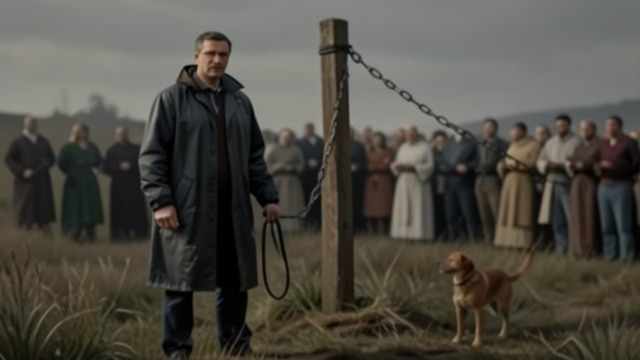
A Verdict Beyond Reach
The central witness is gone
Johnny dies before the police can establish whether he opened the kennel. His previous pattern of deception complicates his denial, but it does not prove the allegation.
Legal and social judgment diverge
Schillinger awaits trial, while neighbors continue to form their own conclusions. Some believe his account; others see the known prankster as an easy scapegoat.
The conflict remains active because community judgment can continue without legal resolution. No public consensus can restore Theo or settle the uncertain chain of events.
before Theo’s death
the day Theo’s body is found
the first public discussions after the attack
in the days after the fatal attack
after Johnny’s death, with Schillinger’s trial pending
